The Red Kite: Austria’s Remarkable Comeback—and the Threats That Remain
Environmental Defense
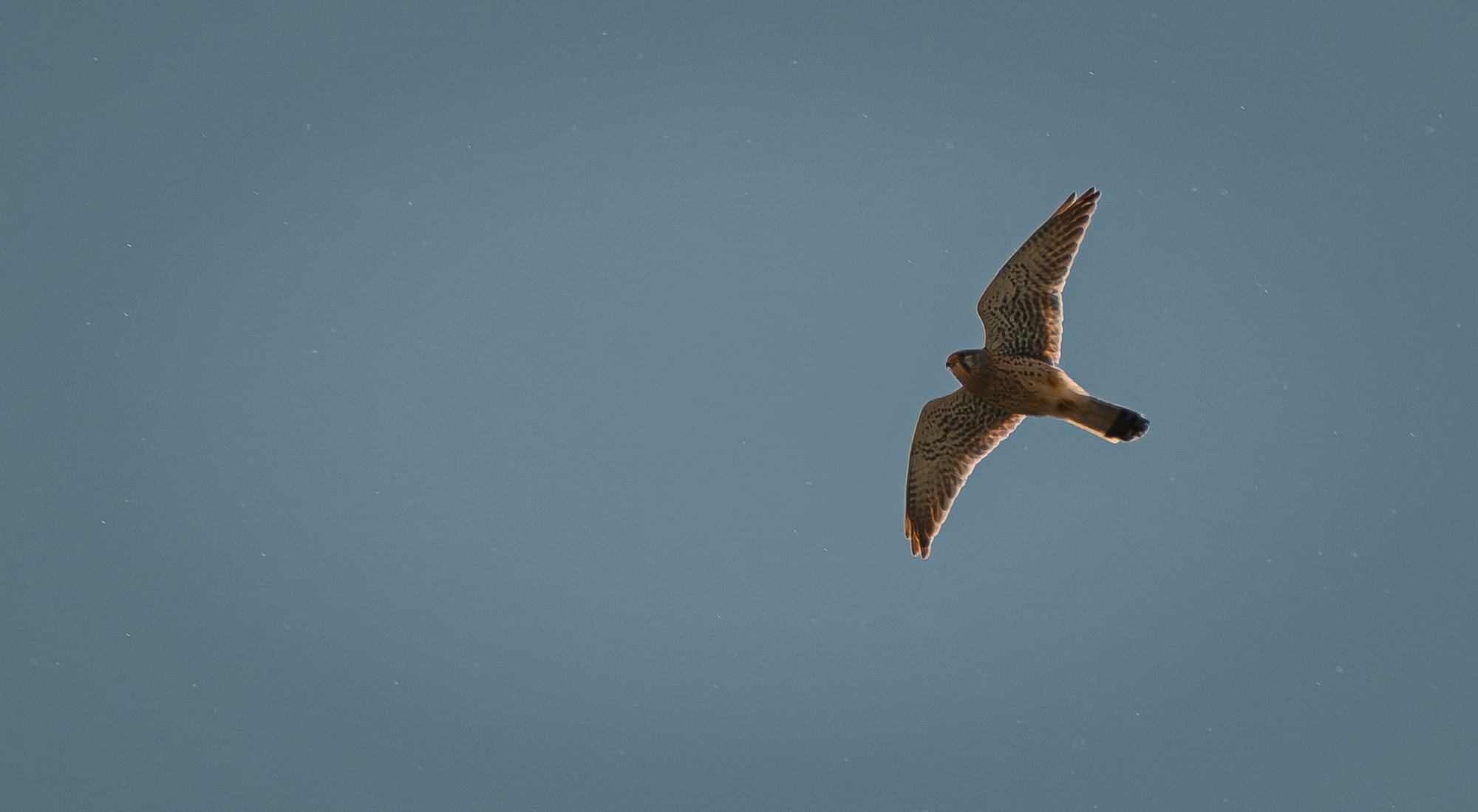
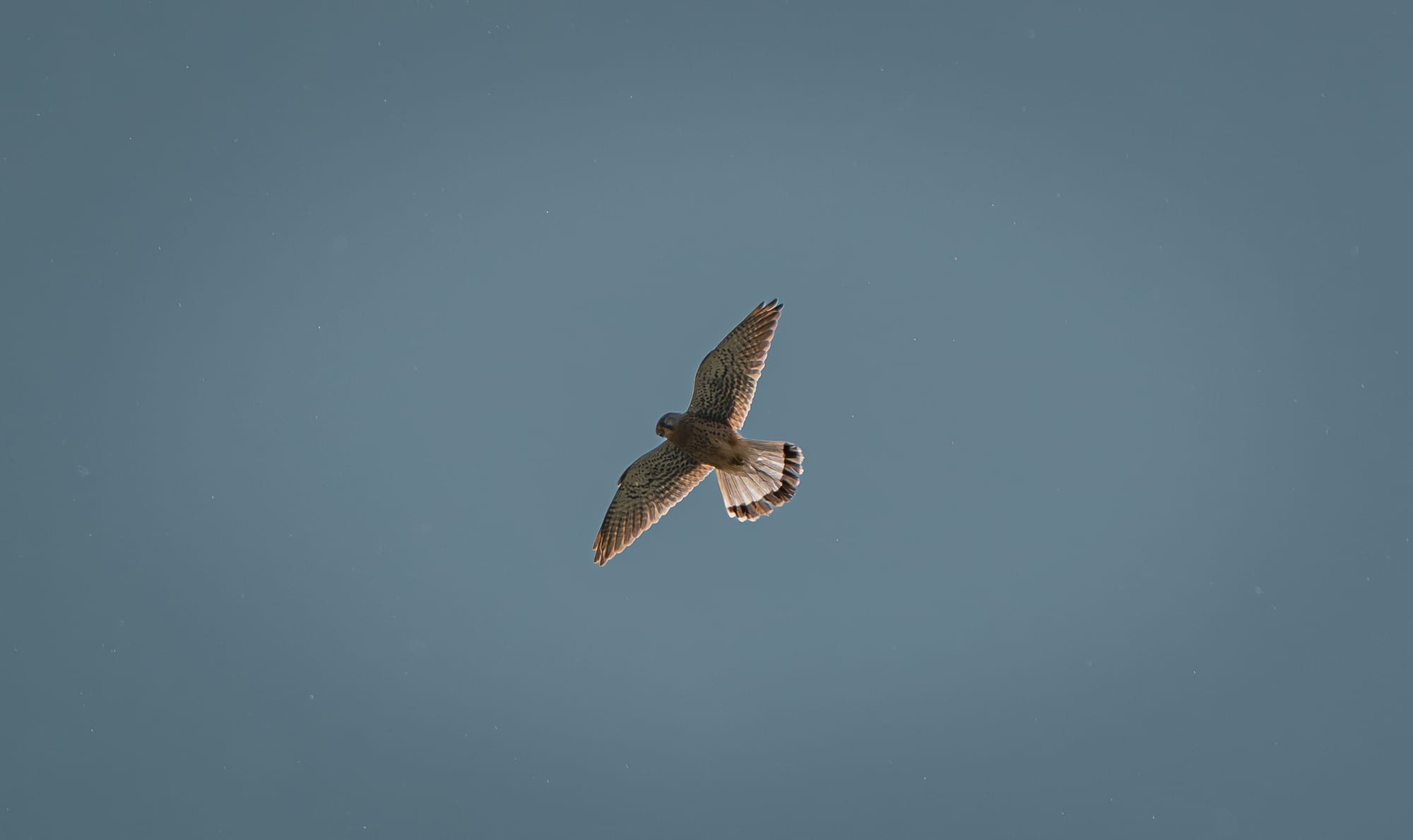
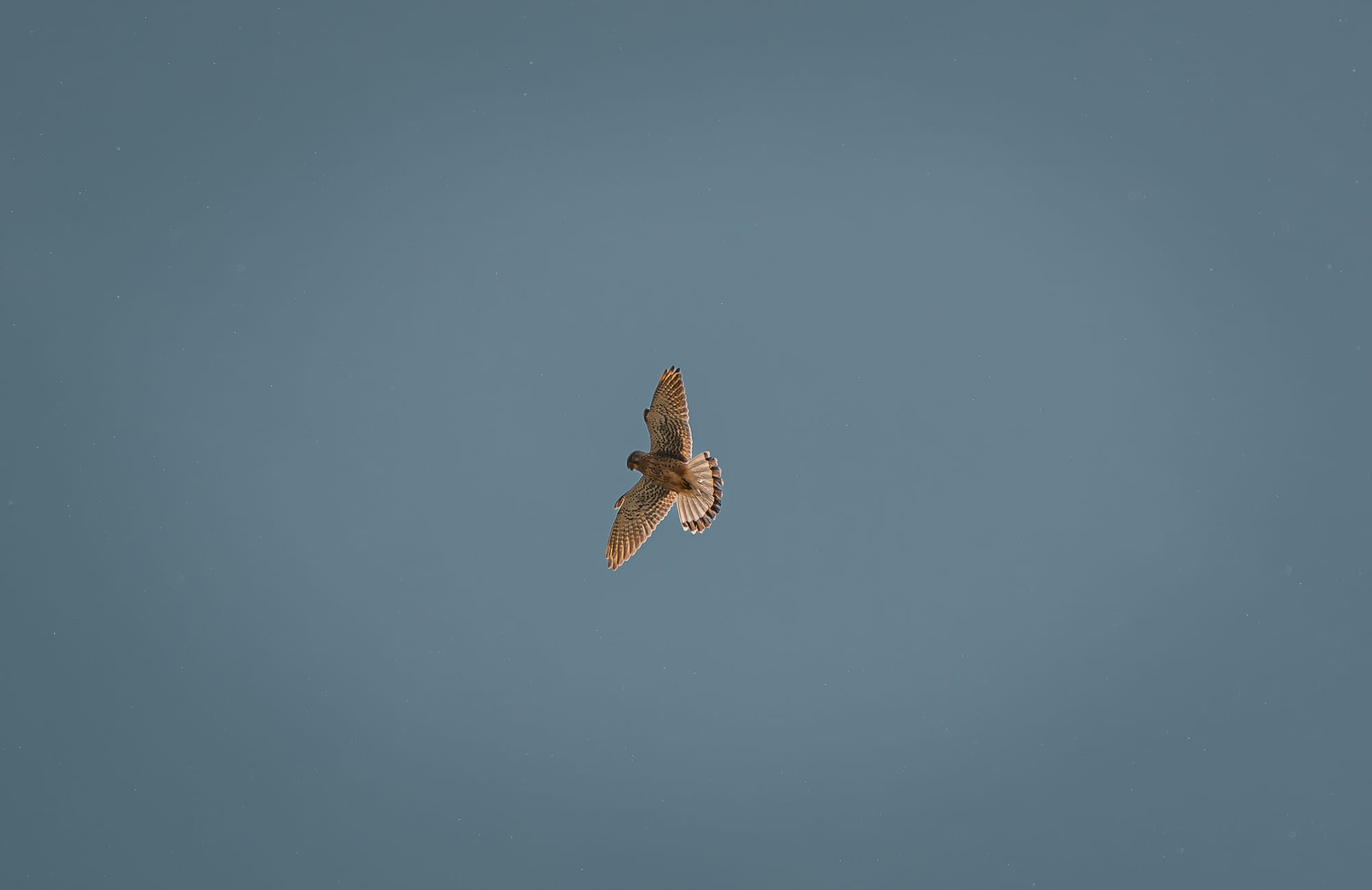
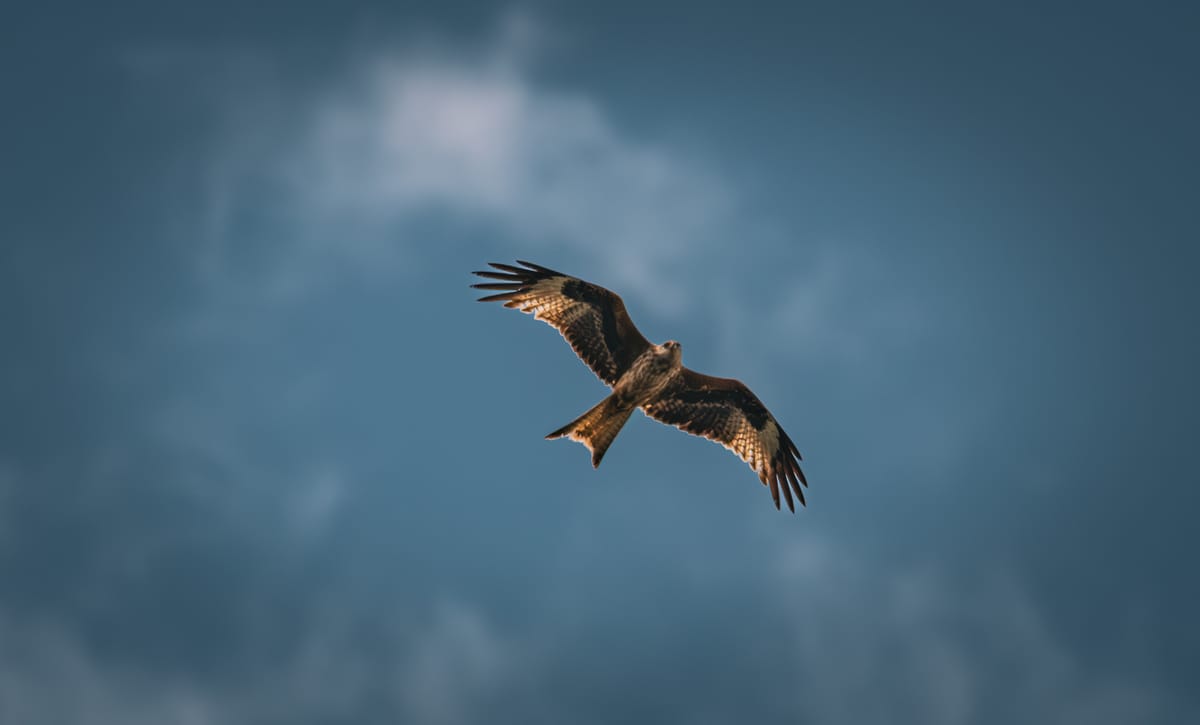
The red kite (Milvus milvus) is one of Europe’s most striking and recognisable birds of prey. Its long wings, reddish-brown body and deeply forked tail make it difficult to mistake once you know what to look for. It is also a near-endemic European species: almost its entire breeding population is found on this continent.
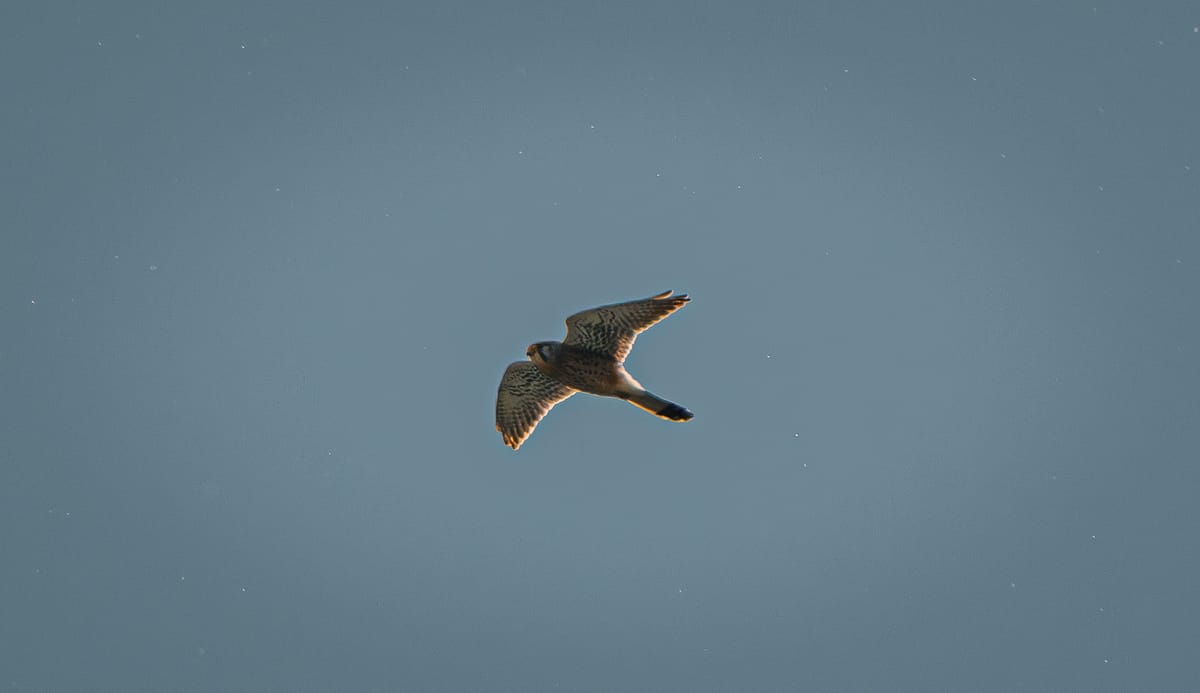
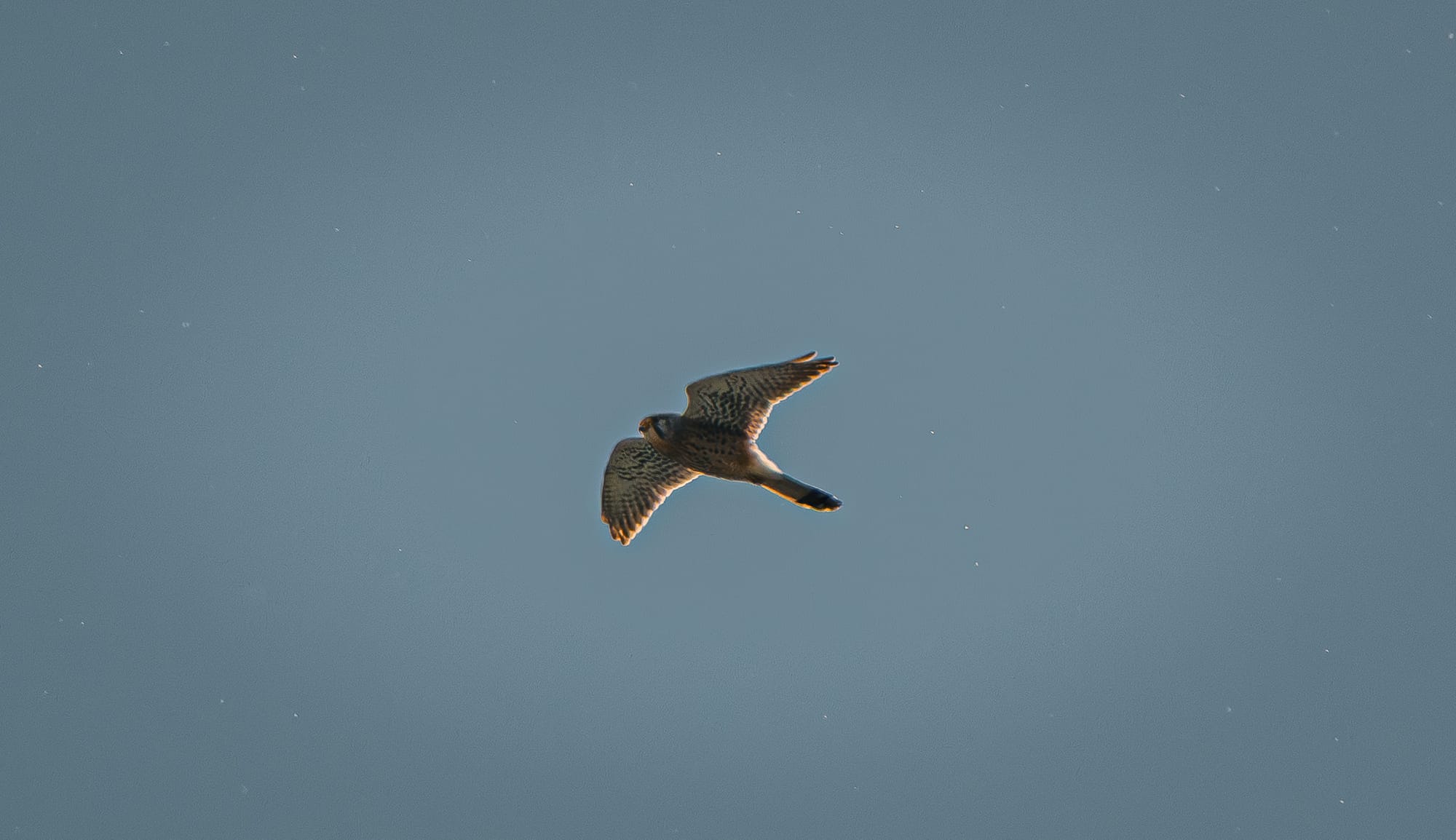
Above the castles and mountains around Reith im Alpbachtal in Tyrol, we watched around a dozen of these magnificent birds gliding through the sky. Seeing so many at once made it difficult to believe that, in 2004, Austria was estimated to have only five to ten breeding pairs.
A gathering of red kites does not necessarily mean that every bird belongs to the local breeding population. Kites may congregate around abundant food, at communal roosts or during migration, and some may be young, non-breeding birds. Nevertheless, their presence offered a spectacular glimpse of a genuine Austrian conservation success.
Recent estimates place Austria’s population at approximately 100–200 breeding pairs, although the precise figure varies between sources and survey years.
How did the red kite return?
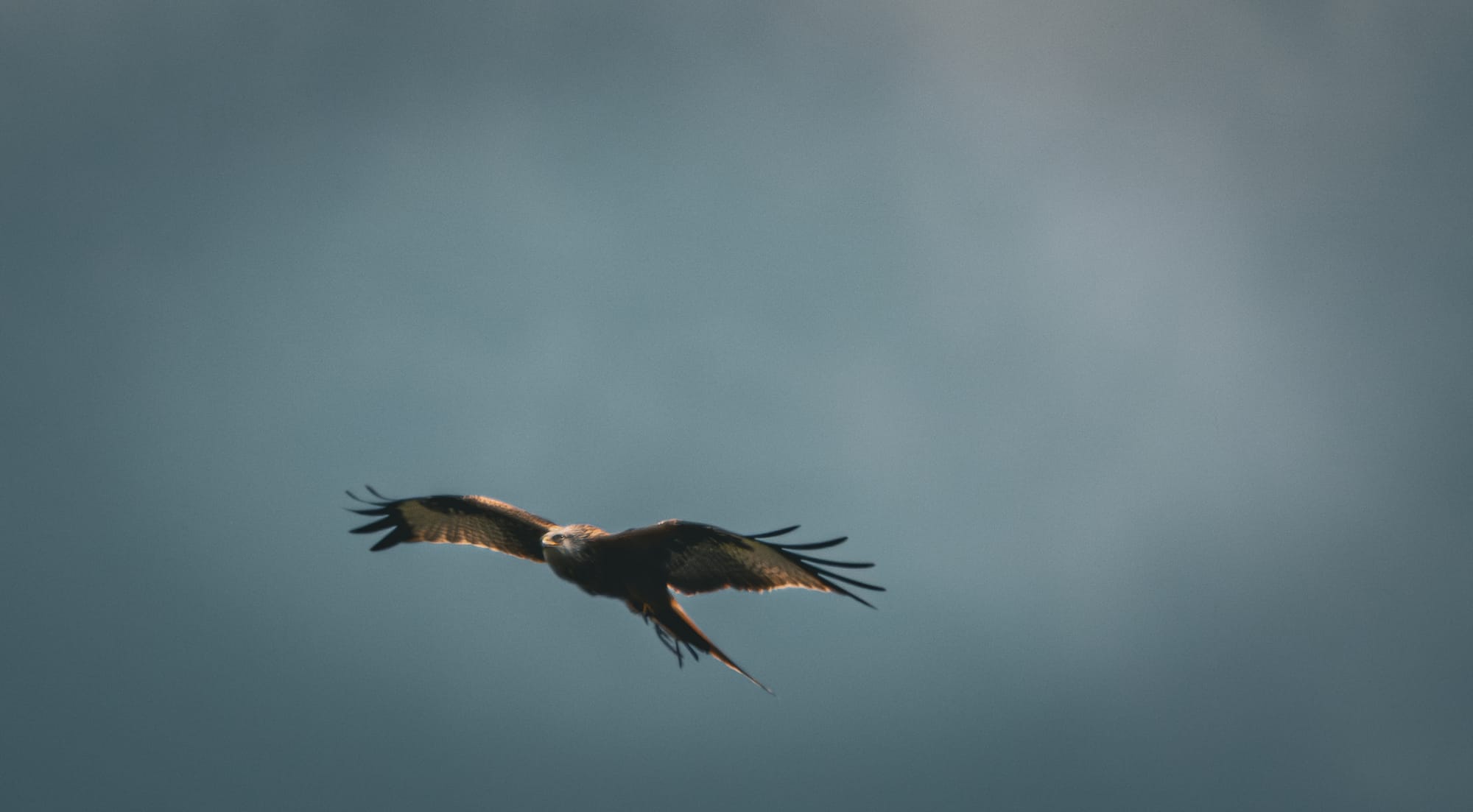
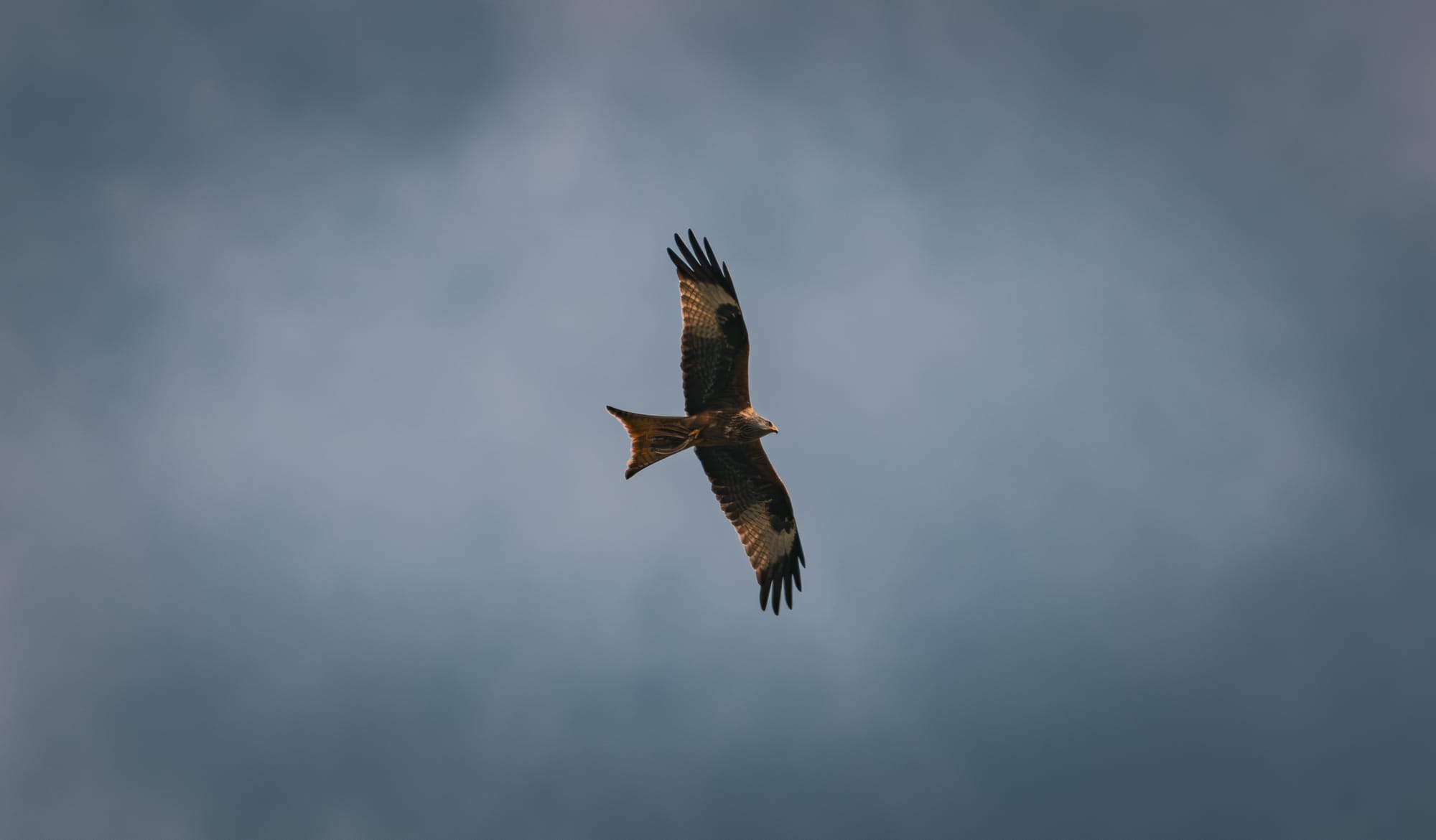
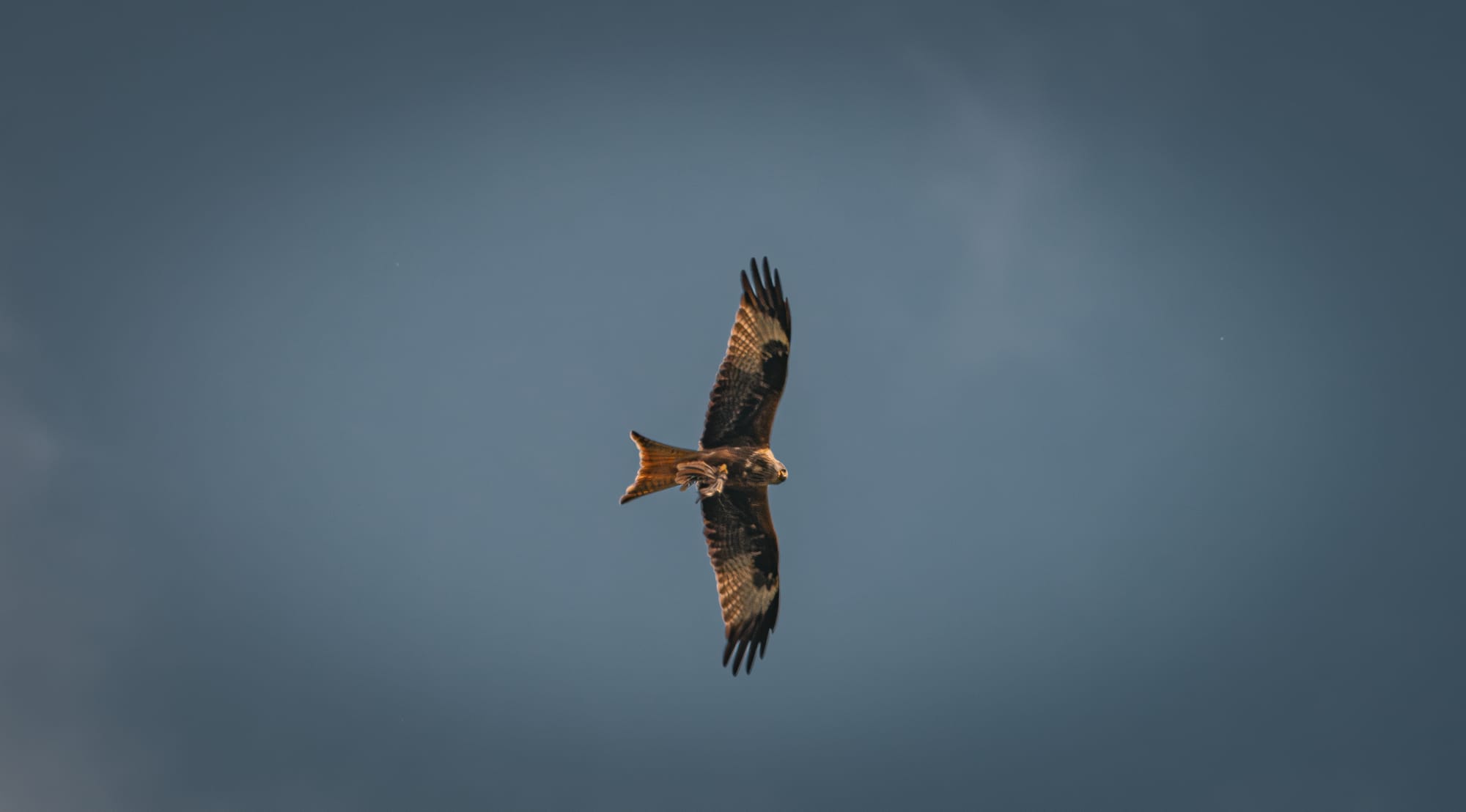
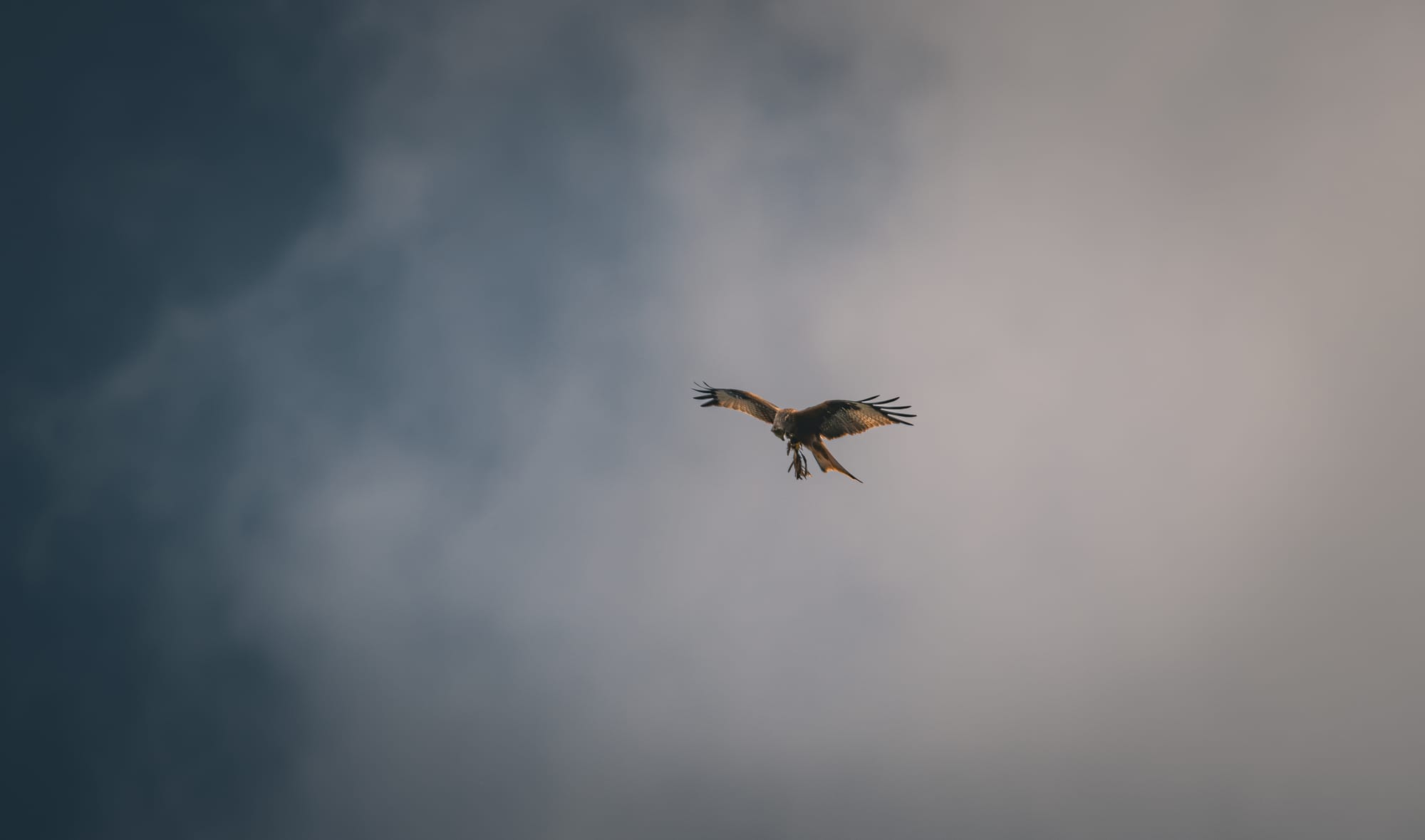
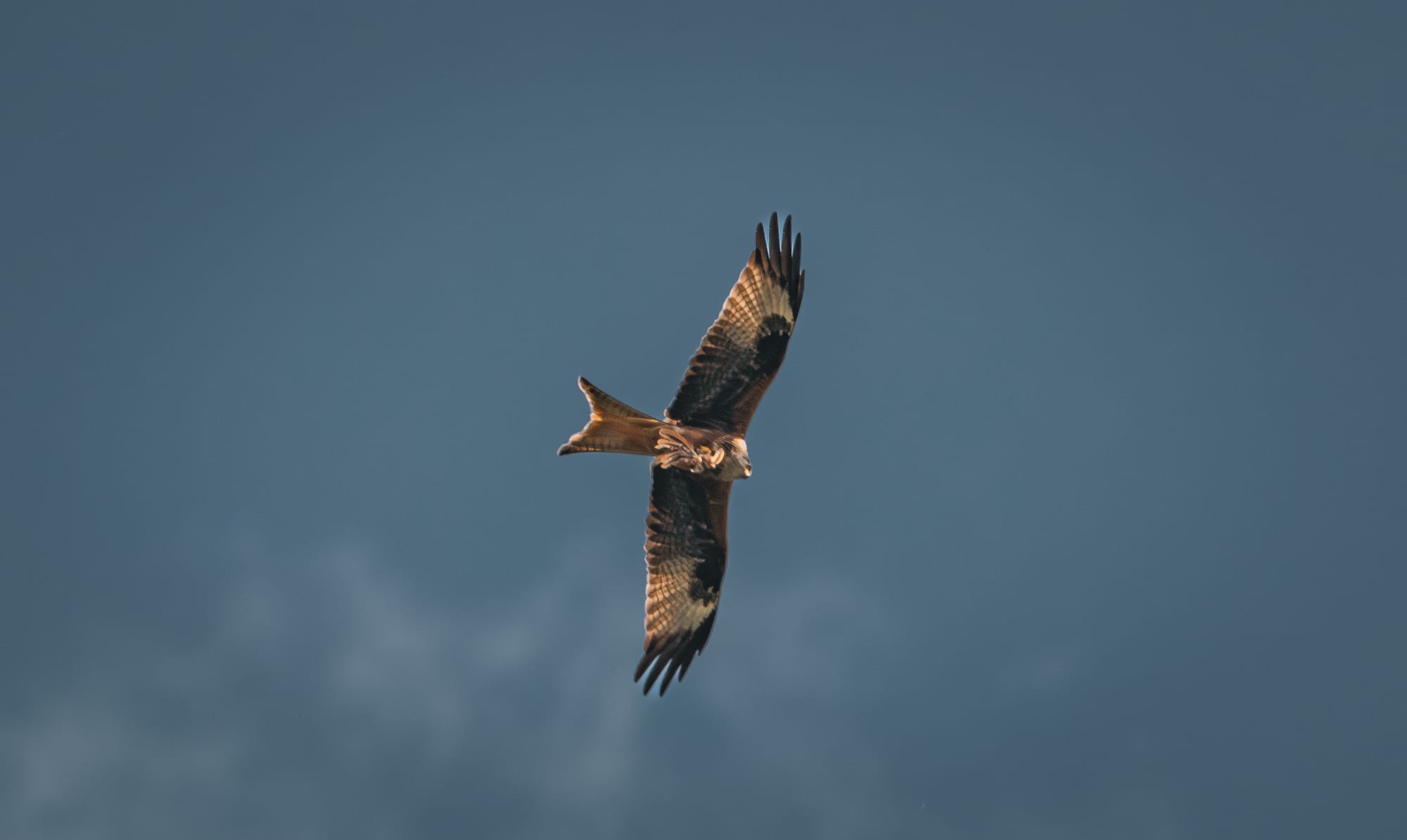
Red Kite in Alpbachtal (Canon R7, Sigma 600 contemporary)
There was probably no single decisive intervention. Its recovery appears to have resulted from a combination of immigration, legal protection, suitable habitat, agricultural conservation measures and improved monitoring.
1 — Expansion from neighboring populations
Red kites do not pay attention to national borders. Young birds naturally disperse from the areas where they hatched, sometimes traveling considerable distances before establishing their own territories.
As red-kite populations expanded in neighboring parts of Central Europe—particularly Switzerland and other regions around Austria—young birds had an opportunity to colonise suitable but sparsely occupied Austrian landscapes.
Austria was simply “too good to be true”. It was basically like moving into a completely empty neighborhood where expensive villas are given as a participation award.
Meanwhile this does not mean that Germany or Switzerland became “overpopulated.” Dispersal is a normal part of red-kite biology. Growing neighboring populations simply produced more potential colonists, while environmental changes may also have allowed the species to expand its range.
2 — Protection under European and Austrian law
When Austria joined the European Union in 1995, it became bound by the EU Birds Directive. The red kite is listed in Annex I of the Directive, meaning that EU member states must provide special protection for the species and conserve important habitats.
The Directive prohibits deliberate killing, capture, nest destruction and significant disturbance, particularly during breeding. Austria also designated Special Protection Areas within the Natura 2000 network, some of which contain landscapes important to red kites and other birds of prey.
Red kites usually build their large nests in mature trees, woodland edges, small woods or floodplain forests. While hunting they fly over open farmland, meadows and wetlands in search of food. Thus protecting only the nest tree is, to say the least, insufficient as the surrounding feeding landscape matters too.
In conservation projects, biologists and volunteers locate active nests and cooperate with landowners, municipalities and forestry workers. Depending on local rules and agreements, disruptive forestry or construction work may be restricted around an active nest during the breeding season (March - August) to prevent the parents from abandoning their eggs.
3 — Tracking the killers
Red kites are skilled hunters, but they are also opportunistic scavengers. This makes them particularly vulnerable to poisoned bait and contaminated animals. If you did a good job in school biology - you know what a food chain is - the poison chain is practically the same - plant gets sprayed with crap - mouse eats the plant - mouse dies - kite finds “easy breakfast” - kite dies.
Some poisoning is secondary and results from pesticide or rodenticide use. Other incidents involve bait deliberately poisoned to kill foxes, raptors or other animals. Particular dangerous chemicals have been banned in the EU - carbofuran, frequently detected in illegal wildlife poisoning cases, has been banned since 2008 - but Austria has not imposed a general ban on all agricultural pesticides and rodenticides.
Scientists are now using fancy solar-powered GPS transmitters to investigate where red kites travel and how they die. Austria plays an important role in LIFE EUROKITE, a large international project studying red kites and other raptors across Europe.
Between 2013 and 2024, project partners fitted GPS transmitters to 3,554 birds of prey in 19 countries, including 3,161 red kites. When a transmitter suddenly stops moving, researchers can find the bird quickly, before the body and potential evidence disappear.
Unfortunately, GPS data alone cannot identify the offender. Investigators still need toxicology, pathology and other forensic evidence. But rapid recovery can reveal poisoned bait, gunshot injuries or suspicious patterns that would otherwise remain hidden.
The results are grim. Among tagged birds that died in countries where persecution was detected, investigators classified 320 as victims of illegal activity. Poisoning accounted for 238 cases - more than 74% of those illegal killing - while shooting was the second most frequently documented form of persecution.
Only eight cases involving tagged, illegally killed birds resulted in a conviction. Tracking has made wildlife crime more visible, but prosecuting the people responsible remains exceptionally difficult.
4 — Paying farmers to make space for wildlife
Another important part of Austria’s environmental policy is ÖPUL (Österreichisches Programm zur Förderung einer umweltgerechten, extensiven und den natürlichen Lebensraum schützenden Landwirtschaft.):
Despite the outrageously long and complicated name, the central idea is straightforward: farmers receive public money for voluntarily managing land in ways that benefit biodiversity, soil and water.
Depending on the selected measure, participating farmers may:
- maintain extensive grassland;
- establish biodiversity or non-productive areas;
- preserve hedges and other landscape features;
- reduce the intensity of mowing or grazing;
- delay mowing to protect wildlife;
- practice organic agriculture;
- or accept site-specific nature-conservation requirements.
These measures can help red kites indirectly. The birds need varied landscapes where woodland, hedges, fields and meadows meet. Extensively managed grassland and unharvested strips can provide habitat for mice, insects and other animals, while lower or less uniform vegetation makes prey easier for kites to find.
Payment rates vary substantially according to the measure, location, productivity of the land and restrictions accepted by the farmer. Not every payment can simply be combined on the same hectare. As one current example, eligible non-productive arable areas can receive approximately €350–450 per hectare, while eligible agroforestry strips can receive approximately €600–800 per hectare. More specialized nature-conservation contracts are calculated according to their individual requirements.
ÖPUL should not be credited as the sole reason for the red kite’s return. But it is based on a truth we still seem determined to ignore: protecting nature is not an optional act of generosity. Biodiversity, forests, living soils and clean water are not pretty decorations around human civilization—they are what keep it alive. Farmers should be properly compensated for protecting and restoring these systems, but the responsibility belongs to all of us. We cannot continue destroying the machinery that sustains life and then behave as though conservation were an expensive favour to birds. Wildlife has no vote, no property developer and no seat at the negotiating table. It is our responsibility to speak and act on its behalf.
A successful return—but not the end of the story
The red kite has returned to Austria, but recovery does not mean complete safety.
The species remains strictly protected and faces several serious human-caused threats:
- illegal poisoning and shooting;
- intensive agriculture and declining prey availability;
- loss and fragmentation of feeding habitat;
- disturbance around nests;
- electrocution and power-line collisions;
- road traffic and other infrastructure;
- and, in certain locations, collisions with wind turbines.
The importance of each threat varies between regions. It would therefore be misleading to declare land loss the single greatest danger everywhere. But Austria’s rapid consumption of undeveloped land is unquestionably a major problem for wildlife as a whole.
Over the past decade, approximately 11 hectares of natural or agricultural land per day have been converted to settlement, transport and other developed uses. That is roughly 16 football pitches every day.
Not all of this land is literally paved. Approximately half is actually sealed beneath buildings, asphalt or concrete. The remainder has still been converted from its previous agricultural or natural function.
This rapid “soil-eating” destroys habitat, separates wildlife populations and reduces the land available for food production. Sealed soil can no longer absorb water, store carbon, support plants or cool the surrounding landscape through evaporation. The consequences include greater flood risk, more severe summer heat and steadily less space for wild species.
Conserving wildlife is not only about rescuing a rare bird at the point of extinction. It also means protecting the ordinary fields, meadows, hedges, mature trees and living soils that allow recovered populations to survive.
WWF Austria’s "Natur statt Beton" campaign is calling on the federal government, provinces and municipalities to negotiate a binding "Bodenschutz-Vertrag", or Soil Protection Treaty. Its stated objective is to reduce Austria’s land consumption to no more than "one hectare per day by 2030".
To help make this possible sign a petition - Nature instead of Concrete - Natur statt Beton
https://www.natur-statt-beton.at/
The return of the red kite shows that decline is not always irreversible. Give a species legal protection, suitable habitat and enough room to move, and it may surprise us with its capacity to recover.
But watching a dozen red kites circling above Tyrol should not make us complacent. It should remind us what becomes possible when people make room for wildlife—and what we still stand to lose beneath the next road, supermarket or empty parking lot.
- BirdLife Austria — Red kite species information and Austrian population estimate:
https://www.birdlife.at/voegel/rotmilan/
- Nationalpark Donau-Auen — Red kite in Austria:
https://www.donauauen.at/wissen/natur-wissenschaft/fauna/rotmilan-milvus-milvus
LIFE EUROKITE Crime Reports — detailed evidence concerning poisoning, shooting and other illegal persecution:
https://www.life-eurokite.eu/de/publikationen/life-eurokite-crime-report.html
Agrarmarkt Austria — official ÖPUL information and payment conditions:
https://www.ama.at/fachliche-informationen/oepul/
Austrian Ministry of Agriculture — biodiversity and nature-conservation areas under ÖPUL:
https://www.bmluk.gv.at/themen/landwirtschaft/landwirtschaft-in-oesterreich/biodiversitaet/naturschutz-und-landwirtschaft.html
Austrian Environment Agency — land consumption and soil sealing:
https://www.umweltbundesamt.at/umweltthemen/boden/flaecheninanspruchnahme
WWF Austria — Natur statt Beton:
https://www.natur-statt-beton.at/